Does eating less always mean being hungry? Not necessarily.
If you've ever tried to lose weight, you've likely heard the phrase "calorie deficit" tossed around. It's simple on paper—burn more calories than you consume. But here's the catch: hunger kicks in, motivation dips, and suddenly, that healthy eating plan doesn't feel so sustainable anymore.
So, how do some people manage to shed fat without constantly thinking about their next meal? Below are real, doable tips to help you stay in a calorie deficit—without that gnawing hungry feeling hanging over you.
Ever heard of the term "eating with volume"? This is a game-changer.
You can eat a plate overflowing with veggies and still stay under 200 calories. Compare that to just a few bites of fried snacks or a single pastry—same calories, less satisfaction.
What to load your plate with:
Spinach, romaine, arugula, and kale
Zucchini, cucumbers, tomatoes, bell peppers
Strawberries, watermelon, grapefruit, apples
You’re not only filling your stomach with more food, but you’re also giving your body fiber, vitamins, and hydration. The more space you fill with these nutrient-rich foods, the less room you’ll have for hunger to sneak in.
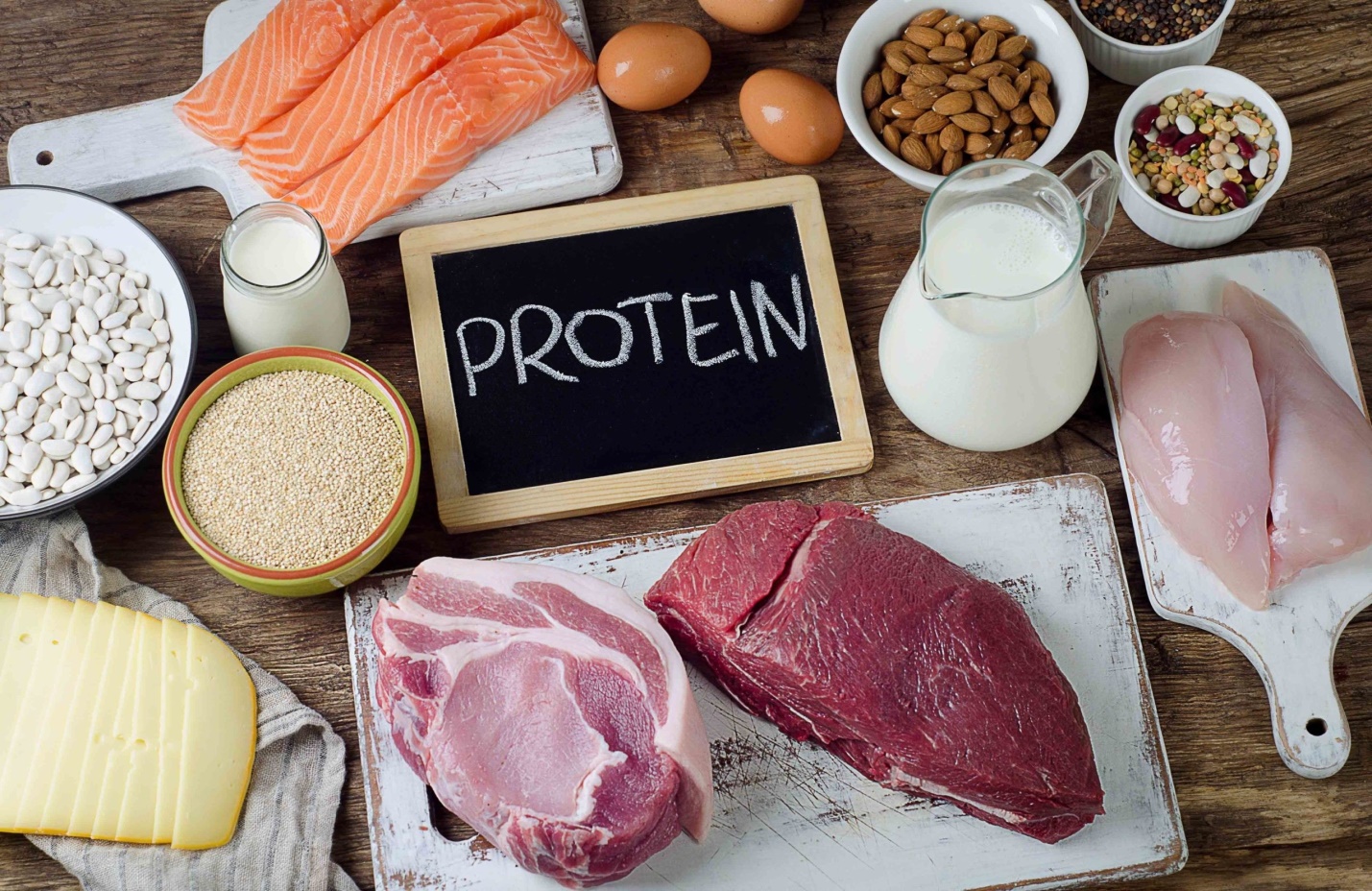
Let’s make one thing clear: protein doesn’t just build muscle—it also curbs hunger like a champ.
Studies consistently show that people who eat more protein feel fuller for longer. That means fewer random snack attacks and more control over your daily calories.
Easy high-protein swaps:
• Replace regular yogurt with Greek yogurt
• Choose eggs or tofu over carb-heavy breakfasts
• Add chicken breast, lentils, or fish to your salads
• Snack on edamame, cottage cheese, or a handful of roasted chickpeas
Don’t think of it as a “diet trick.” It’s just giving your body the fuel it needs—efficiently.
Let's talk about beverages.
That caramel latte? 250+ calories. A bottle of soda? Another 150. A fruit smoothie? It could be over 400. And guess what? Most of these won’t fill you up.
But that doesn’t mean you have to go dry. Just be smart with what you sip:
• Flavor your water with slices of lemon, cucumber, or mint
• Go for unsweetened tea (iced or hot)
• Switch to black coffee or use a splash of low-fat milk instead of sugary creamers.
Pro tip: Drink a glass of water before meals. Many people mistake thirst for hunger. You may realize you weren’t as hungry as you thought.
Here’s a simple strategy to follow every time you eat: include both protein and fiber in your meal.
Protein fills you up and helps maintain muscle. Fiber slows down digestion and makes meals more satisfying.
Great combos to try:
• Grilled chicken + roasted Brussels sprouts
• Hard-boiled eggs + an apple
• Tuna salad (with light dressing) + whole grain toast
• Chickpea stir-fry + brown rice
It’s not about counting every gram. It’s about being mindful of what actually keeps you full—and happy.
This isn’t a trendy wellness mantra—it’s just biology. It takes around 20 minutes for your brain to register that your stomach is full.
If you’re inhaling your food while scrolling your phone or watching Netflix, you’re likely to miss those cues.
Simple ways to slow down:
• Put your fork down between bites
• Eat at a table, not at your desk
• Chew your food thoroughly (it sounds basic, but it works!)
• Pay attention to flavors, textures, and satisfaction
You may find that halfway through your meal, you’re actually already full.
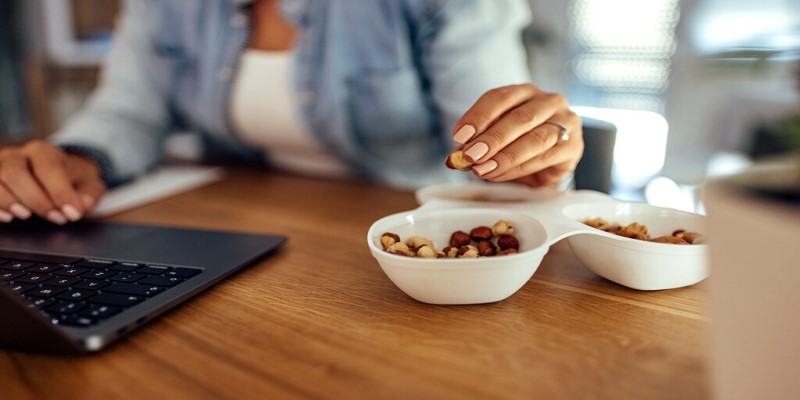
Imagine this: You’re slightly hungry mid-afternoon. You open the pantry and see a box of cookies vs. a bag of almonds and some cut-up veggies in the fridge. What’s easier to reach for?
The key is preparation. If you’ve got healthy snacks ready to grab, you’re less likely to go overboard on things you didn’t plan for.
Snack ideas that actually satisfy:
• Baby carrots and hummus
• Sliced apple with a tablespoon of peanut butter
• Low-fat cheese sticks
• Rice cakes with avocado
• Boiled eggs (already peeled = even better)
Out of sight, out of mouth. Don’t underestimate how your snack setup influences your calorie control.
Here’s a trick that doesn’t involve eating less at all—just burn a little more.
You don’t need to double your workouts or spend hours on a treadmill. Just sneak more movement into your day:
• Take the stairs instead of the elevator
• Go for 10-minute walks after meals
• Do light stretching or yoga while watching TV
• Park further away on purpose
• Pace during phone calls
You’ll be surprised how these small, consistent movements add up. The more you move, the more you can eat without tipping out of your deficit.
Sounds silly, right? But there’s actual psychology behind it.
Smaller plates make portions look bigger, which can trick your brain into feeling satisfied. On the flip side, large plates make even generous portions seem tiny—and you might be tempted to add more.
Try it yourself:
• Use a salad plate instead of a dinner plate
• Serve snacks in a small bowl, not from the bag
• Divide food into containers, so you see clear portions
This tiny visual shift makes a big difference over time.
Staying in a calorie deficit doesn’t mean your stomach has to growl all day long.
It’s about making smarter choices—filling your plate with volume-rich foods, prioritizing protein and fiber, staying hydrated, and keeping your meals balanced and enjoyable.
With a few tweaks in your routine and a bit of preparation, hunger doesn't have to be the price you pay for fat loss. In fact, once you get into the rhythm, eating this way can feel surprisingly satisfying. You won't just be lighter on the scale—you'll feel lighter in life, too.